Journal of International Oncology ›› 2025, Vol. 52 ›› Issue (11): 680-688.doi: 10.3760/cma.j.cn371439-20250513-00117
• Original article • Previous Articles Next Articles
METTL3 inhibits the proliferation and migration of liver cancer cells by regulating the m6A modification of RAB5C
Ma Lijun1,2, Ji Haitao1, Qu Xiaowei1, Wang Yanfeng1, Gao Xiaowei1( ), Han Jiming2
- 1Department of Clinical Laboratory, Yan'an University Affiliated Hospital, Yan'an 716000, China
2Yan'an University School of Basic Medicine, Yan'an 716000, China
-
Received:2025-05-13Revised:2025-10-01Online:2025-11-08Published:2025-12-21 -
Contact:Gao Xiaowei E-mail:43096886@qq.com -
Supported by:Science and Technology Plan Project of Yan'an City(2023-SFGG-003);Science and Technology Plan Project of Yan'an City(2022SLSFGG-022)

Cite this article
Ma Lijun, Ji Haitao, Qu Xiaowei, Wang Yanfeng, Gao Xiaowei, Han Jiming. METTL3 inhibits the proliferation and migration of liver cancer cells by regulating the m6A modification of RAB5C[J]. Journal of International Oncology, 2025, 52(11): 680-688.
share this article

"
| 临床病理特征 | 例数 | RAB5C mRNA表达量 | χ2值 | P值 |
|---|---|---|---|---|
| 性别 | ||||
| 男 | 245 | 94.6(64.5,123.0) | 0.52 | 0.140 |
| 女 | 117 | 92.7(68.3,117.7) | ||
| 淋巴结转移状态 | ||||
| 未转移 | 252 | 93.9(65.1,120.4) | 0.72 | 0.020 |
| 转移 | 4 | 117.5(100.3,142.9) | ||
| TP53突变状态 | ||||
| 突变 | 105 | 100.2(80.5,133.1) | 0.74 | 0.010 |
| 未突变 | 105 | 84.7(62.3,115.9) |
"
| 组别 | RAB5C mRNA | RAB5C蛋白 |
|---|---|---|
| si-NC组 | 1.00±0.12 | 1.00±0.01 |
| si-RAB5C-1组 | 0.18±0.05a | 0.36±0.11a |
| si-RAB5C-2组 | 0.12±0.06a | 0.40±0.07a |
| F值 | 108.02 | 59.02 |
| P值 | <0.001 | <0.001 |
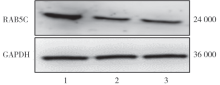
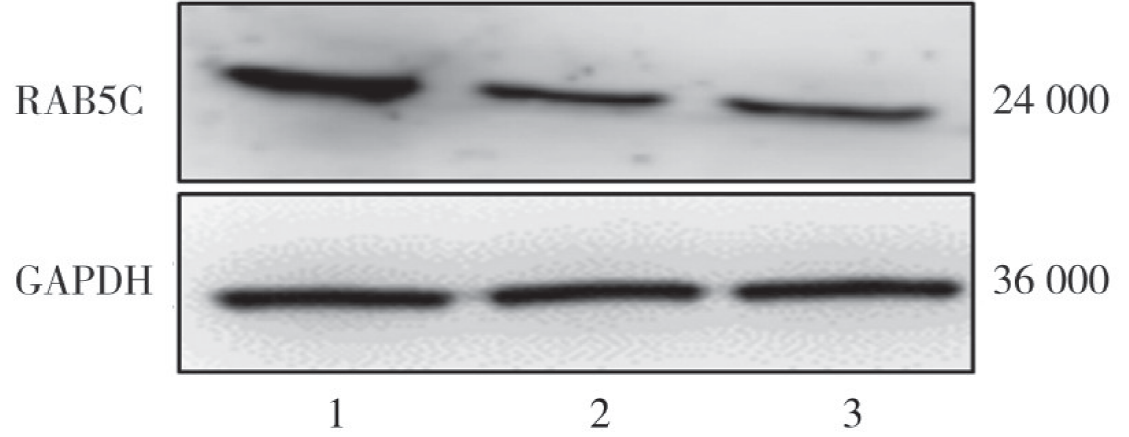
"
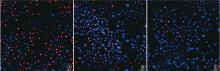
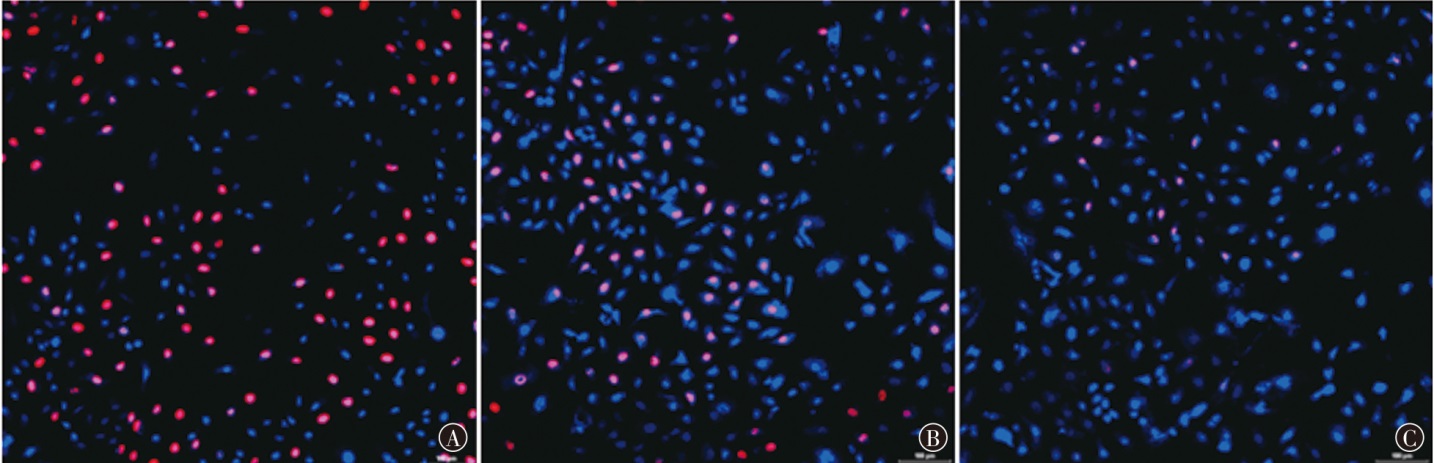
"
"
"
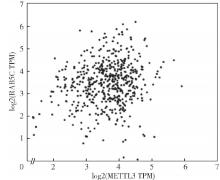
"
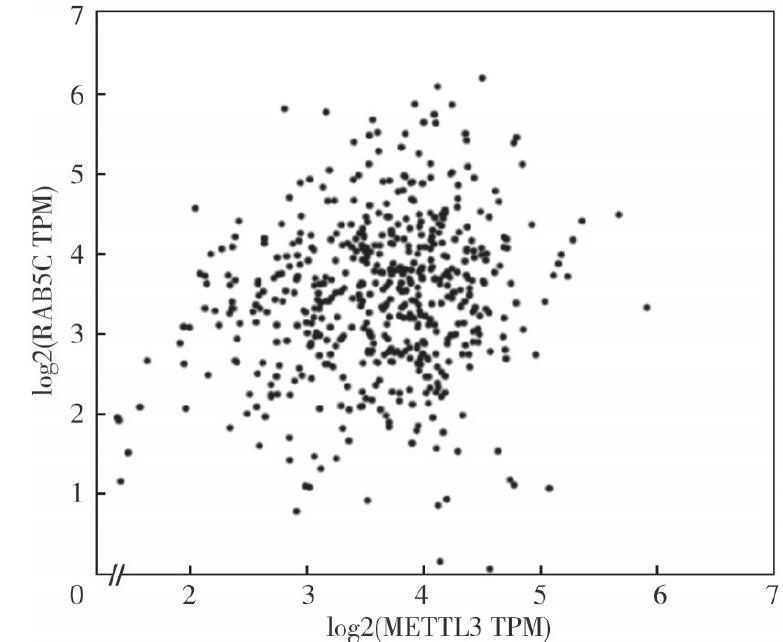
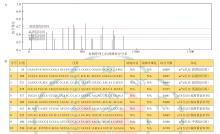
"
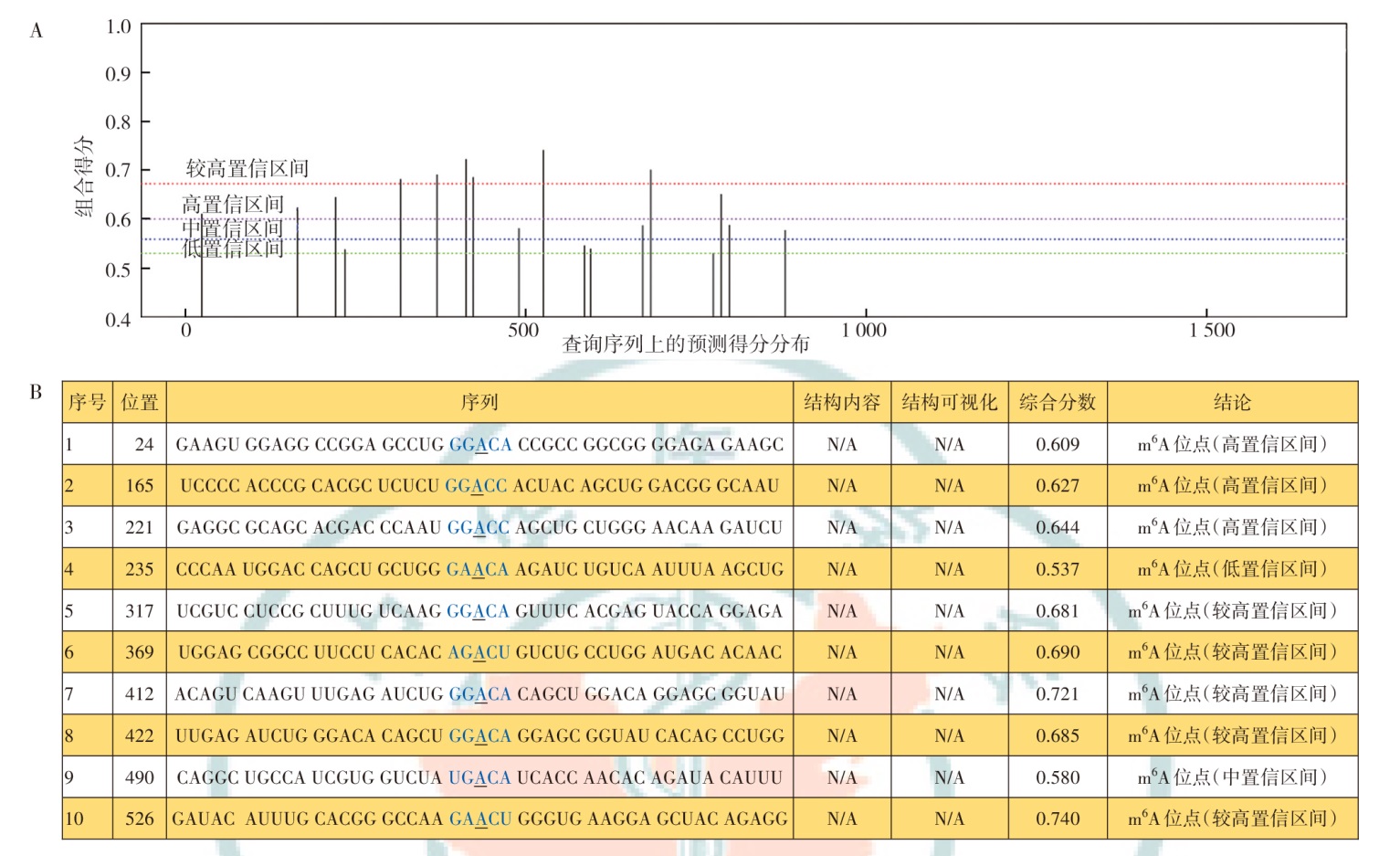
"
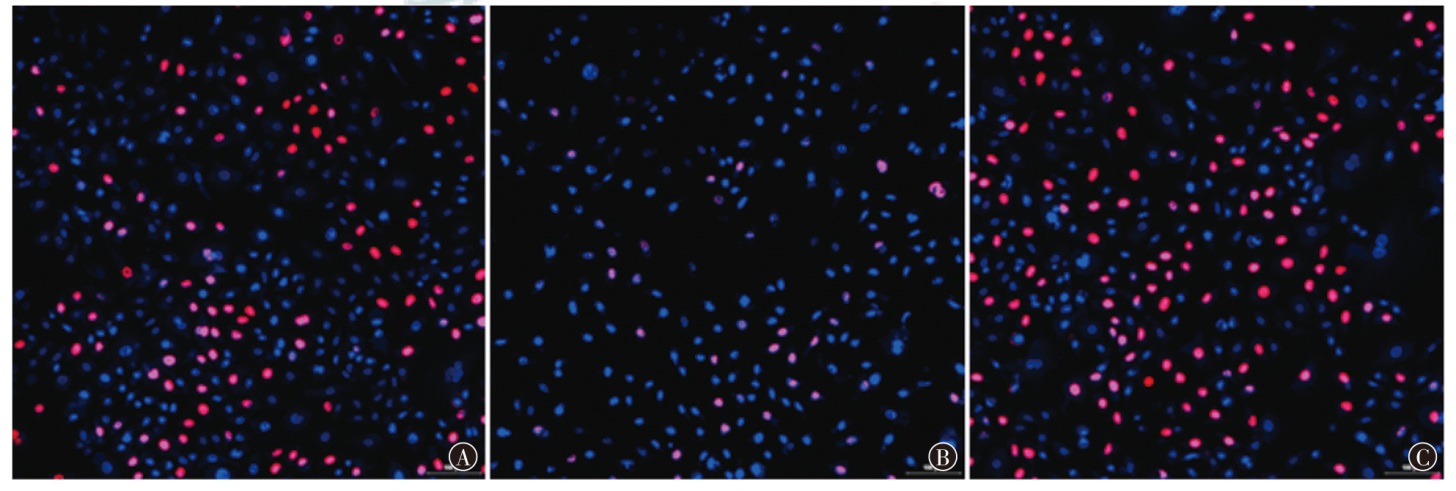
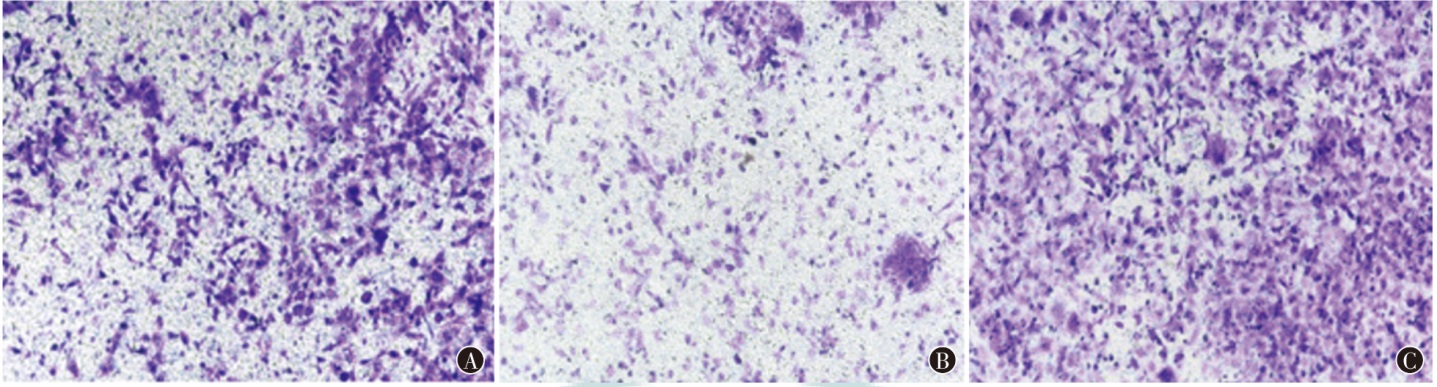
| 组别 | 细胞增殖率(%) | 细胞迁移率(%) | 细胞凋亡率(%) |
|---|---|---|---|
| si-NC+over-NC组 | 42.00±5.00 | 2.02±0.11 | 6.91±0.64 |
| si-METTL3+over-NC组 | 28.39±5.60a | 0.60±0.11a | 14.26±0.27a |
| si-METTL3+over-RAB5C组 | 40.00±4.06b | 1.98±0.09ab | 6.45±0.51ab |
| F值 | 6.72 | 170.70 | 194.40 |
| P值 | 0.030 | <0.001 | <0.001 |
"
"
"
| [1] | Zheng J, Wang S, Xia L, et al. Hepatocellular carcinoma: signaling pathways and therapeutic advances[J]. Signal Transduct Target Ther, 2025, 10(1): 35. DOI: 10.1038/s41392-024-02075-w |
| [2] | Su X, Yan X, Zhang H. The tumor microenvironment in hepatocellular carcinoma: mechanistic insights and therapeutic potential of traditional Chinese medicine[J]. Mol Cancer, 2025, 24(1):173. DOI: 10.1186/s12943-025-02378-8 |
| [3] | Zhang Z, Li J, He T, et al. The competitive endogenous RNA regulatory network reveals potential prognostic biomarkers for overall survival in hepatocellular carcinoma[J]. Cancer Sci, 2019, 110(9): 2905-2923. DOI: 10.1111/cas.14138. |
| [4] | Lai HH, Li CW, Hong CC, et al. TARBP2-mediated destabilization of Nanog overcomes sorafenib resistance in hepatocellular carcinoma[J]. Mol Oncol, 2019, 13(4): 928-945. DOI: 10.1002/1878-0261.12449. |
| [5] |
Jha A, van Zanten TS, Philippe JM, et al. Quantitative control of GPCR organization and signaling by endocytosis in epithelial morphogenesis[J]. Curr Biol, 2018, 28(10): 1570-1584.e6. DOI: 10.1016/j.cub.2018.03.068.
pmid: 29731302 |
| [6] | Parks XX, Ronzier E, O-Uchi J, et al. Fluvastatin inhibits Rab5-mediated IKs internalization caused by chronic Ca2+-dependent PKC activation[J]. J Mol Cell Cardiol, 2019, 129: 314-325. DOI: 10.1016/j.yjmcc.2019.03.016. |
| [7] |
Jin L, Huo Y, Zheng Z, et al. Down-regulation of Ras-related protein Rab 5C-dependent endocytosis and glycolysis in cisplatin-resistant ovarian cancer cell lines[J]. Mol Cell Proteomics, 2014, 13(11): 3138-3151. DOI: 10.1074/mcp.M113.033217.
pmid: 25096996 |
| [8] |
Onodera Y, Nam JM, Hashimoto A, et al. Rab5c promotes AMAP1-PRKD2 complex formation to enhance β1 integrin recycling in EGF-induced cancer invasion[J]. J Cell Biol, 2012, 197(7): 983-996. DOI: 10.1083/jcb.201201065.
pmid: 22734003 |
| [9] | Wang CJ, Xiao CW, You TG, et al. Interferon-α enhances antitumor activities of oncolytic adenovirus-mediated IL-24 expression in hepatocellular carcinoma[J]. Mol Cancer, 2012, 11: 31. DOI: 10.1186/1476-4598-11-31. |
| [10] | 何佩霈, 杨朝凤, 李杨. 肝癌肿瘤微环境与消融治疗的研究现状与展望[J]. 国际肿瘤学杂志, 2024, 51(10): 655-659. DOI: 10.3760/cma.j.cn371439-20240328-00110. |
| [11] | Parikh ND, Tayob N, Al-Jarrah T, et al. Barriers to surveillance for hepatocellular carcinoma in a multicenter cohort[J]. JAMA Netw Open, 2022, 5(7): e2223504. DOI: 10.1001/jamanetworkopen.2022.23504. |
| [12] |
Liu J, Wang X, Peng Z, et al. The effects of insulin pre-administration in mice exposed to ethanol: alleviating hepatic oxidative injury through anti-oxidative, anti-apoptotic activities and deteriorating hepatic steatosis through SRBEP-1c activation[J]. Int J Biol Sci, 2015, 11(5): 569-586. DOI: 10.7150/ijbs.11039.
pmid: 25892964 |
| [13] | Goubran M, Wang W, Indik S, et al. Isolation of a human betaretrovirus from patients with primary biliary cholangitis[J]. Viruses, 2022, 14(5): 886. DOI: 10.3390/v14050886. |
| [14] | Wang Z, Li F, Zhang H, et al. RAB5C, a new mRNA binding target of HuR, regulates breast cancer cell proliferation[J]. Cell Biol Int, 2023, 47(2): 374-382. DOI: 10.1002/cbin.11969. |
| [15] |
Zhang W, Ji W, Li T, et al. MiR-145 functions as a tumor suppressor in papillary thyroid cancer by inhibiting RAB5C[J]. Int J Med Sci, 2020, 17(13): 1992-2001. DOI: 10.7150/ijms.44723.
pmid: 32788878 |
| [16] | He PC, He C. m6A RNA methylation: from mechanisms to therapeutic potential[J]. EMBO J, 2021, 40(3): e105977. DOI: 10.15252/embj.2020105977. |
| [17] | Wu X, Zeng M, Wei Y, et al. METTL3 and METTL14-mediated N6-methyladenosine modification of SREBF2-AS1 facilitates hepatocellular carcinoma progression and sorafenib resistance through DNA demethylation of SREBF2[J]. Sci Rep, 2024, 14(1): 6155. DOI: 10.1038/s41598-024-55932-7. |
| [18] | Chen M, Wei L, Law CT, et al. RNA N6-methyladenosine methylt-ransferase-like 3 promotes liver cancer progression through YTHDF2-dependent posttranscriptional silencing of SOCS2[J]. Hepatology, 2018, 67(6): 2254-2270. DOI: 10.1002/hep.29683. |
| [1] | Huang Jinfa, Zheng Lianqiu, Wu Jinpiao, Liu Deting, Chen Huiling. Prediction model for post-TACE infection risk in elderly patients with liver cancer [J]. Journal of International Oncology, 2025, 52(8): 517-522. |
| [2] | Guo Junlong, Zou Ruiqi, Chen Shaoqiang, Liang Yuxin, Li Jing, Yong Sunan, He Yuting, Xie Xiaobing, Li Ping. Research progress of RNA m6A modification in breast cancer [J]. Journal of International Oncology, 2025, 52(8): 532-537. |
| [3] | Hao Chunhai. Efficacy of rapamycin arterial perfusion combined with 131I-FAP loaded dextran microspheres for interventional embolization in the treatment of rabbits with liver transplantation tumor [J]. Journal of International Oncology, 2025, 52(6): 353-359. |
| [4] | Yang Xiaobin, Jiang Jinquan. Predictive value of serum MMP-9, FABP5 combined with MRI for the efficacy and recurrence of primary liver cancer after percutaneous radiofrequency ablation [J]. Journal of International Oncology, 2025, 52(6): 360-365. |
| [5] | Xing Hui, Tan Ying, Wang Xiuzhen, Li Rui, Liu Xia. Predictive analysis of NLR and TNF-α level for the efficacy of TACE combined with microwave ablation therapy in patients with massive liver cancer [J]. Journal of International Oncology, 2025, 52(2): 101-106. |
| [6] | Chen Hongjian, Zhang Suqing. Study on the relationship between serum miR-24-3p, H2AFX and clinical pathological features and postoperative recurrence in liver cancer patients [J]. Journal of International Oncology, 2024, 51(6): 344-349. |
| [7] | Peng Qin, Cai Yuting, Wang Wei. Advances on KPNA2 in liver cancer [J]. Journal of International Oncology, 2024, 51(3): 181-185. |
| [8] | Sun Guobao, Yang Qian, Zhuang Qingchun, Gao Binbin, Sun Xiaogang, Song Wei, Sha Dan. Research progress on the histopathological growth patterns of colorectal liver metastasis [J]. Journal of International Oncology, 2024, 51(2): 114-118. |
| [9] | Jiang Qiong, Yu Jinhong. Research progress on the application of ultrasound-targeted microbubble destruction technology in the treatment of liver cancer [J]. Journal of International Oncology, 2024, 51(11): 723-727. |
| [10] | Zhang Dongqian, Zhang Haiguang, Zhang Xiaoru, Zheng Xuan, Han Sugui, Li Ying, Hao Chunhai. Application of miR-9 and miR-195-3p in the diagnosis of primary hepatic carcinoma and their changes before and after interventional therapy [J]. Journal of International Oncology, 2024, 51(10): 627-631. |
| [11] | Xiang Yuling, Tan Jiajie, Xiong Yuanguo, Zhao Lirong, Li Chen, Zhang Hong. Effects of Anhydroicaritin on the proliferation, migration and apoptosis of hepatocellular carcinoma cells [J]. Journal of International Oncology, 2023, 50(9): 513-519. |
| [12] | Li Jiaxuan, Feng Yinglu. Mechanism of action of glucocorticoid receptors in the growth of hepatoma cells [J]. Journal of International Oncology, 2023, 50(4): 241-243. |
| [13] | He Ting, Wang Xi, Zhang Huizhong, Liu Xinyang, Wang Huiping, Dong Ke. Diagnostic value of serum TIM-3 in patients with liver cancer [J]. Journal of International Oncology, 2022, 49(9): 537-542. |
| [14] | Hu Ru, Li Donglin, Yan Xuebing. Methyltransferase like protein 14 and tumor [J]. Journal of International Oncology, 2022, 49(8): 478-483. |
| [15] | Zhang Yumin, Zhao Xianwei, He Qianjin, Chen Jieneng. Value of contrast-enhanced ultrasound combined with serum CXCL8 and CXCR2 in the evaluation of postoperative efficacy of transcatheter arterial chemoembolization for primary liver cancer [J]. Journal of International Oncology, 2022, 49(10): 592-596. |
| Viewed | ||||||
|
Full text |
|
|||||
|
Abstract |
|
|||||