Journal of International Oncology ›› 2026, Vol. 53 ›› Issue (11): 655-663.doi: 10.3760/cma.j.cn371439-20260119-00103
• Original Article • Previous Articles Next Articles
Regulation of the BCL6/ITGA9 axis by miR-331-3p on the occurrence and development of adenoid cystic carcinoma
Su Jiang, Zhou Wei, Zhang Hua( )
Department of Otolaryngology ,First Affiliated Hospital of Xinjiang Medical University Urumqi 830054, China
-
Received:2026-01-19Online:2026-11-08Published:2026-11-05

Cite this article
Su Jiang, Zhou Wei, Zhang Hua. Regulation of the BCL6/ITGA9 axis by miR-331-3p on the occurrence and development of adenoid cystic carcinoma[J]. Journal of International Oncology, 2026, 53(11): 655-663.
share this article

"
| 引物 | 序列(5′→3′) |
|---|---|
| ITGA9 | 正向引物:TGACTCGTTCTTCGGCTACG |
| 反向引物:CGTCACCTCTTCTGGGTTCC | |
| BCL6 | 正向引物:AACCCTACAAGTGTGACCGC |
| 反向引物:TGTGGGTTTTCAGGTTGGCT | |
| CXCL9 | 正向引物:AATACAGGAGTGACTTGGAACTCC |
| 反向引物:TCAATGCAGGCAGAACATTCAC | |
| CXCL10 | 正向引物:CGCGCTATGAAGAAAAGTGG |
| 反向引物:TTCAATGCAGGCAGAACATTCAC | |
| CXCL11 | 正向引物:ATTACGCGCTCAAGAGTAAGG |
| 反向引物:TGAACACTTACTAGGAATTCATACACC | |
| miR-331-3p | 正向引物:GAGTTTGGTTTTGTTTGGGTTTGTTC |
| 反向引物:AGCTTAGGTTGGTTCTAGGATAGG | |
| GAPDH | 正向引物:GGTCTCCTCTGACTTCAACA |
| 反向引物:GTGAGGGTCTCTCTCTTCCT | |
| U6 | 正向引物:CTCGCTTCGGCAGCACA |
| 反向引物:AACGCTTCACGAATTTGCGT |
"
"
"
| 组别 | miR-331-3p | BCL6 | ITGA9 |
|---|---|---|---|
| mimic+NC组 | 1.01±0.16 | 1.01±0.21 | 1.00±0.04 |
| mimic+BCL6组 | 0.67±0.05a | 2.06±0.27a | 0.55±0.07a |
| mimic NC+BCL6组 | 0.35±0.12ab | 4.48±0.36ab | 0.35±0.17ab |
| F值 | 22.28 | 116.65 | 26.72 |
| P值 | 0.002 | <0.001 | 0.001 |
| 注:SACC为唾液腺样囊性癌;a为与mimic+NC组比较,P<0.05;b为与mimic+BCL6组比较,P<0.05 | |||
"
"
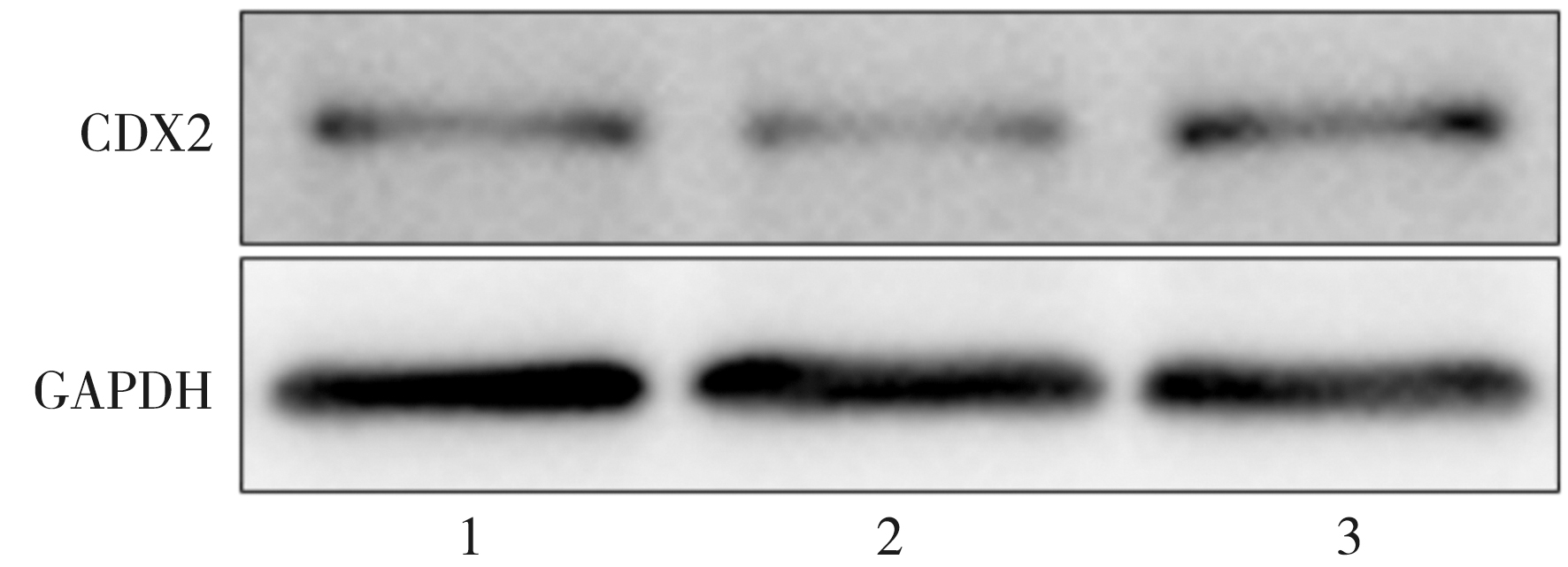
| 组别 | ITGA9蛋白 | BCL6蛋白 |
|---|---|---|
| mimic+NC组 | 0.96±0.03 | 0.92±0.01 |
| mimic+BCL6组 | 0.87±0.02a | 1.13±0.02a |
| mimic NC+BCL6组 | 0.67±0.05ab | 1.72±0.02ab |
| F值 | 61.87 | 7.18 |
| P值 | <0.001 | 0.026 |
"
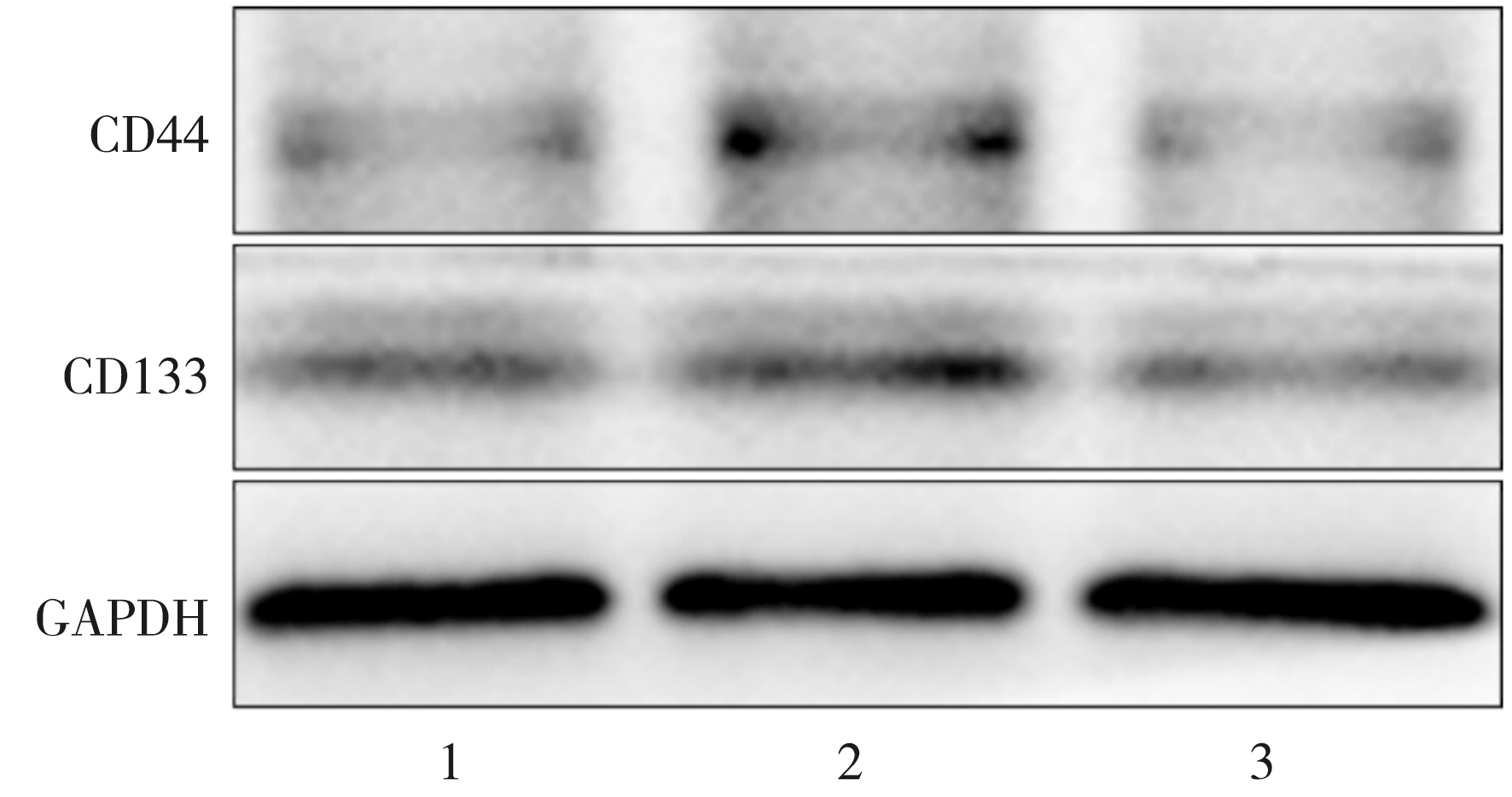
"
"
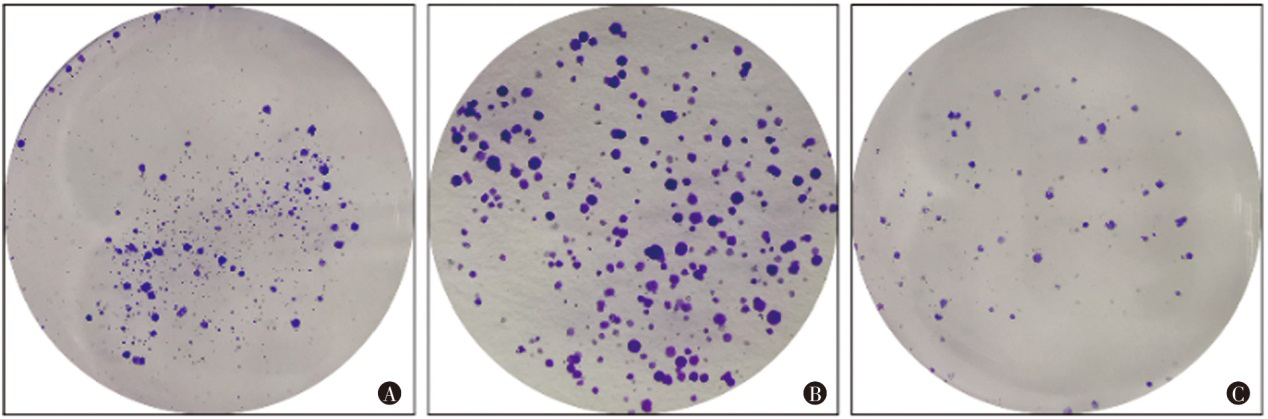
"
| 组别 | 细胞增殖活性 | 凋亡率 | 迁移率 | 侵袭率 |
|---|---|---|---|---|
| mimic+NC组 | 100.00±6.05 | 6.21±0.23 | 54.17±9.15 | 52.33±8.74 |
| mimic+BCL6组 | 82.03±2.47a | 15.31±0.74a | 34.37±5.84a | 36.67±4.73a |
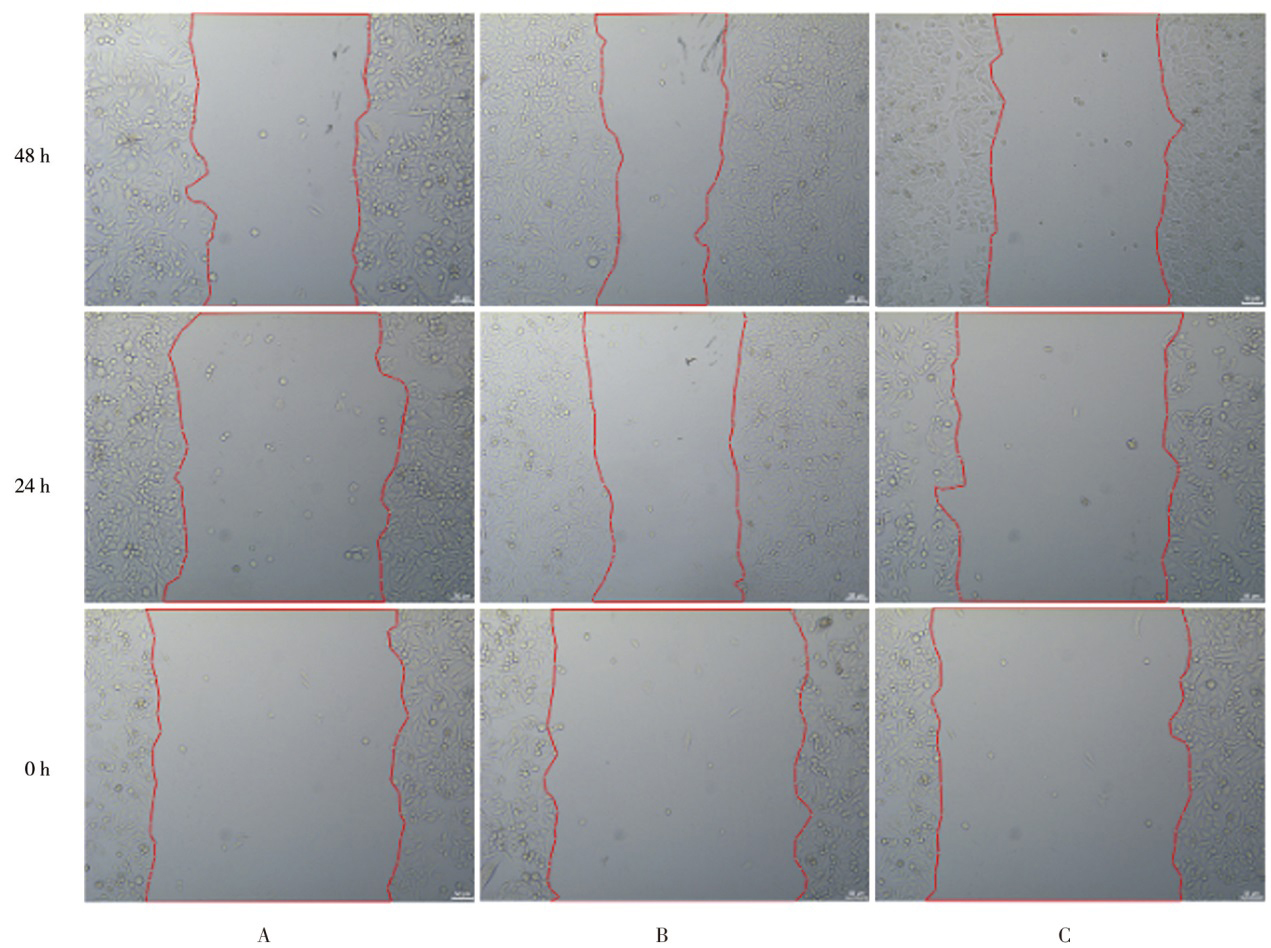
| mimic NC+BCL6组 | 53.18±5.47ab | 27.47±1.09ab | 11.17±5.25ab | 14.00±2.00ab |
| F值 | 69.15 | 572.93 | 28.66 | 32.56 |
| P值 | <0.001 | <0.001 | 0.001 | 0.001 |
"
"
| 组别 | ITGA9 | CXCL9 | CXCL10 | CXCL11 |
|---|---|---|---|---|
| OE-NC组 | 1.01±0.11 | 1.01±0.16 | 1.00±0.08 | 1.01±0.12 |
| OE-ITGA9组 | 3.01±0.15 | 0.65±0.11 | 0.38±0.02 | 0.56±0.08 |
| t值 | 18.69 | 3.18 | 13.42 | 5.30 |
| P值 | <0.001 | 0.033 | <0.001 | 0.006 |
"
| 组别 | BCL6 | CXCL9 | CXCL10 | CXCL11 |
|---|---|---|---|---|
| OE-NC组 | 1.00±0.05 | 1.00±0.04 | 1.00±0.06 | 1.00±0.07 |
| OE-BCL6组 | 2.35±0.09 | 2.52±0.12 | 2.79±0.18 | 2.32±0.07 |
| t值 | 22.97 | 20.68 | 16.72 | 23.61 |
| P值 | <0.001 | <0.001 | <0.001 | <0.001 |
"
| 组别 | miR-331-3p | CXCL9 | CXCL10 | CXCL11 |
|---|---|---|---|---|
| NC mimic组 | 1.01±0.18 | 1.00±0.05 | 1.00±0.08 | 1.01±0.16 |
| miR-331-3p mimic组 | 9.54±1.43 | 0.24±0.02 | 0.27±0.03 | 0.32±0.02 |
| t值 | 10.26 | 22.95 | 14.83 | 7.26 |
| P值 | 0.001 | <0.001 | <0.001 | 0.002 |
| [1] | Nightingale J, Lum B, Ladwa R, et al. Adenoid cystic carcinoma: a review of clinical features, treatment targets and advances in improving the immune response to monoclonal antibody therapy[J]. Biochim Biophys Acta Rev Cancer, 2021, 1875(2): 188523. DOI: 10.1016/j.bbcan.2021.188523. |
| [2] |
Ellington CL, Goodman M, Kono SA, et al. Adenoid cystic carcinoma of the head and neck: incidence and survival trends based on 1973-2007 surveillance, epidemiology, and end results data[J]. Cancer, 2012, 118(18): 4444-4451. DOI: 10.1002/cncr.27408.
pmid: 22294420 |
| [3] | Zhu QH, Meng Y, Tang YT, et al. Identification of pivotal micrornas involved in the development and progression of salivary adenoid cystic carcinoma[J]. J Oral Pathol Med, 2022, 51(2): 160-171. DOI: 10.1111/jop.13261. |
| [4] | Choi JC, Crotty S. Bcl6-mediated transcriptional regulation of follicular helper T cells (Tfh)[J]. Trends Immunol, 2021, 42(4): 336-349. DOI: 10.1016/j.it.2021.02.002. |
| [5] | Wu YX, Chen JL, Tan FS, et al. Itga9: potential biomarkers and therapeutic targets in different tumors[J]. Curr Pharm Des, 2022, 28(17): 1412-1418. DOI: 10.2174/1381612828666220501165644. |
| [6] |
Liu ZN, Gao J, Yang YH, et al. Potential targets identified in adenoid cystic carcinoma point out new directions for further research[J]. Am J Transl Res, 2021, 13(3): 1085-1108.
pmid: 33841642 |
| [7] |
Anthony PP, James PD. Adenoid cystic carcinoma of the breast: prevalence, diagnostic criteria, and histogenesis[J]. J Clin Pathol, 1975, 28(8): 647-655. DOI: 10.1136/jcp.28.8.647.
pmid: 171285 |
| [8] |
Castelnuovo P, Turri-Zanoni M. Adenoid cystic carcinoma[J]. Adv Otorhinolaryngol, 2020, 84: 197-209. DOI: 10.1159/000457939.
pmid: 32731238 |
| [9] | 乔燕, 柳鑫. PFKFB3促进腺样囊性癌ACC-2细胞增殖、迁移、侵袭和转移[J]. 国际肿瘤学杂志, 2018, 45(10): 577-582. DOI: 10.3760/cma.j.issn.1673-422X.2018.10.001. |
| [10] | Zu D, Dong Q, Chen SF, et al. MiRNA-331-3p affects the proliferation, metastasis, and invasion of osteosarcoma through SOCS1/JAK2/STAT3[J]. J Oncol, 2022: 6459029. DOI: 10.1155/2022/6459029. |
| [11] | Shah V, Shah J. Recent trends in targeting mirnas for cancer therapy[J]. J Pharm Pharmacol, 2020, 72(12): 1732-1749. DOI: 10.1111/jphp.13351. |
| [12] |
Saliminejad K, Khorram Khorshid HR, Soleymani Fard S, et al. An overview of micrornas: biology, functions, therapeutics, and analysis methods[J]. J Cell Physiol, 2019, 234(5): 5451-5465. DOI: 10.1002/jcp.27486.
pmid: 30471116 |
| [13] | Luan XT, Wang YL. LncRNA xloc_006390 facilitates cervical cancer tumorigenesis and metastasis as a ceRNA against miR-331-3p and miR-338-3p[J]. J Gynecol Oncol, 2018, 29(6): e95. DOI: 10.3802/jgo.2018.29.e95. |
| [14] | Chang RM, Yang H, Fang F, et al. MicroRNA-331-3p promotes proliferation and metastasis of hepatocellular carcinoma by targeting PH domain and leucine-rich repeat protein phosphatase[J]. Hepatology, 2014, 60(4): 1251-1263. DOI: 10.1002/hep.27221. |
| [15] | Liu YN, Feng JJ, Yuan K, et al. The oncoprotein BCL6 enables solid tumor cells to evade genotoxic stress[J]. Elife, 2022, 11: e69255. DOI: 10.7554/eLife.69255. |
| [16] | Li K, Liu YN, Ding Y, et al. Bcl6 is regulated by the MAPK/ELK1 axis and promotes KRAS-driven lung cancer[J]. J Clin Invest, 2022, 132(22): e161308. DOI: 10.1172/JCI161308. |
| [17] | Høye AM, Couchman JR, Wewer UM, et al. The newcomer in the integrin family: integrin α9 in biology and cancer[J]. Adv Biol Regul, 2012, 52(2): 326-339. DOI: 10.1016/j.jbior.2012.03.004. |
| [18] | 李谡瑶, 黄俊星. 肿瘤免疫治疗疗效预测标志物的研究进展[J]. 国际肿瘤学杂志, 2021, 48(4): 220-224. DOI: 10.3760/cma.j.cn371439-20200722-00044. |
| [19] | Huo RR, Jiang Y, Zhang L, et al. CXCR3 inhibitors for therapeutic interventions: current status and perspectives[J]. Front Pharmacol, 2025, 16: 1556196. DOI: 10.3389/fphar.2025.1556196. |
| [20] |
Liu CH, Jing XN, Liu XL, et al. Tumor-suppressor miRNA-27b-5p regulates the growth and metastatic behaviors of ovarian carcinoma cells by targeting CXCL1[J]. J Ovarian Res, 2020, 13(1): 92-105. DOI: 10.1186/s13048-020-00697-6.
pmid: 32782028 |
| [21] |
Xu M, Li D, Yang C, et al. MicroRNA-34a inhibition of the TLR signaling pathway via CXCL10 suppresses breast cancer cell invasion and migration[J]. Cell Physiol Biochem, 2018, 46(3): 1286-1304. DOI: 10.1159/000489111.
pmid: 29689563 |
| Viewed | ||||||
|
Full text |
|
|||||
|
Abstract |
|
|||||