Journal of International Oncology ›› 2026, Vol. 53 ›› Issue (10): 600-607.doi: 10.3760/cma.j.cn371439-20251217-00095
• Original Article • Previous Articles Next Articles
A progression-free survival prediction model based on KELIM score for patients with high-grade serous ovarian carcinoma after NACT+IDS treatment
Li Ping1, Chen Zhenyun2, Niu Hongpeng2( )
)
- 1
Department of Women's Health ,Women & Children's Health Care Hospital of Linyi,Shandong Province Linyi 276000, China
2Department of Gynecology ,Linyi Cancer Hospital,Shandong Province Linyi 276000, China
-
Received:2025-12-17Online:2026-10-08Published:2026-10-10 -
Contact:Niu Hongpeng E-mail:1042258089@qq.com

Cite this article
Li Ping, Chen Zhenyun, Niu Hongpeng. A progression-free survival prediction model based on KELIM score for patients with high-grade serous ovarian carcinoma after NACT+IDS treatment[J]. Journal of International Oncology, 2026, 53(10): 600-607.
share this article

"
| 临床资料 | 训练集(n=126) | 验证集(n=54) | χ2/t值 | P值 |
|---|---|---|---|---|
| 年龄(岁)a | ||||
| ≥60 | 65 | 29 | 0.07 | 0.794 |
| <60 | 61 | 25 | ||
| 体质量指数(kg/m2)b | 22.60±2.36 | 22.76±2.00 | 0.45 | 0.652 |
| FIGO分期a | ||||
| Ⅲ期 | 84 | 37 | 0.06 | 0.808 |
| Ⅳ期 | 42 | 17 | ||
| KELIM评分(分)a | ||||
| ≥1 | 59 | 24 | 0.09 | 0.769 |
| <1 | 67 | 30 |
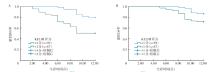
"
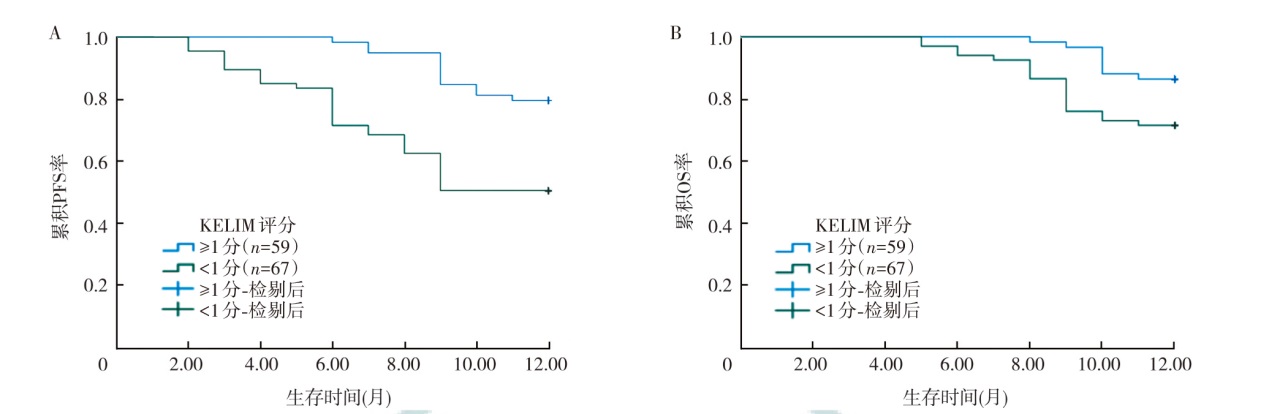
"
| 临床资料 | 无进展存活 (n=81) | 疾病进展或 全因死亡(n=45) | χ2/t值 | P值 | 临床资料 | 无进展存活 (n=81) | 疾病进展或 全因死亡(n=45) | χ2/t值 | P值 |
|---|---|---|---|---|---|---|---|---|---|
| 年龄(岁)a | 术后肿瘤残留a | ||||||||
| ≥60 | 35 | 30 | 6.37 | 0.012 | R0 | 55 | 20 | 6.61 | 0.010 |
| <60 | 46 | 15 | 非R0 | 26 | 25 | ||||
| 体质量指数(kg/m2)b | 22.85±2.40 | 22.16±2.24 | 1.58 | 0.116 | 化疗总疗程(周期)a | ||||
| 绝经状态a | 6 | 10 | 7 | 1.77 | 0.413 | ||||
| 绝经 | 52 | 33 | 1.10 | 0.294 | 7 | 25 | 18 | ||
| 未绝经 | 29 | 12 | 8 | 46 | 20 | ||||
| 肿瘤最大径(cm)b | 10.54±4.00 | 11.32±4.15 | 1.03 | 0.303 | 3~4级化疗不良反应a | ||||
| FIGO分期a | 有 | 28 | 18 | 0.37 | 0.544 | ||||
| Ⅲ期 | 61 | 23 | 7.62 | 0.006 | 无 | 53 | 27 | ||
| Ⅳ期 | 20 | 22 | KELIM评分(分)a | ||||||
| 手术时间(min)b | 215.43±38.96 | 208.71±39.10 | 0.93 | 0.356 | ≥1 | 47 | 12 | 11.43 | <0.001 |
| 术中出血量(ml)b | 450.32±54.85 | 444.13±60.60 | 0.58 | 0.560 | <1 | 34 | 33 |
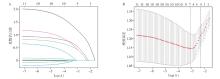
"
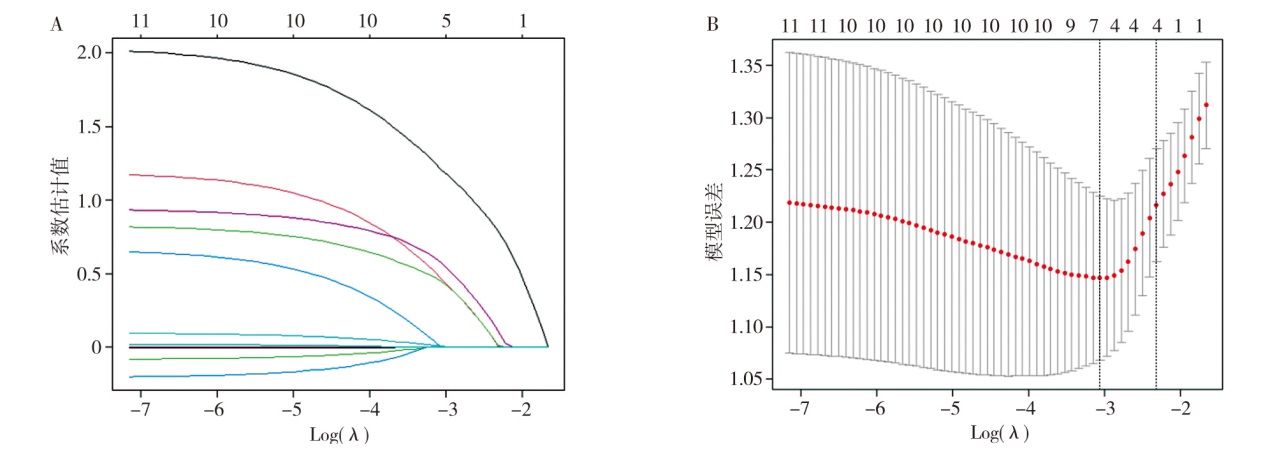
"
| 因素 | 多因素Cox回归分析 | 多重共线性检验 | |||||||
|---|---|---|---|---|---|---|---|---|---|
| β值 | SE值 | Wald χ2值 | HR值 | 95%CI | P值 | 容差 | VIF值 | ||
| 年龄 | 1.04 | 0.32 | 10.36 | 2.82 | 1.50~5.29 | 0.001 | 0.96 | 1.04 | |
| FIGO分期 | 0.80 | 0.30 | 7.08 | 2.23 | 1.24~4.04 | 0.008 | 0.99 | 1.01 | |
| 术后肿瘤残留 | 0.70 | 0.31 | 5.22 | 2.01 | 1.10~3.65 | 0.022 | 0.97 | 1.04 | |
| KELIM评分 | 1.19 | 0.34 | 12.35 | 3.30 | 1.70~6.42 | <0.001 | 0.99 | 1.01 | |
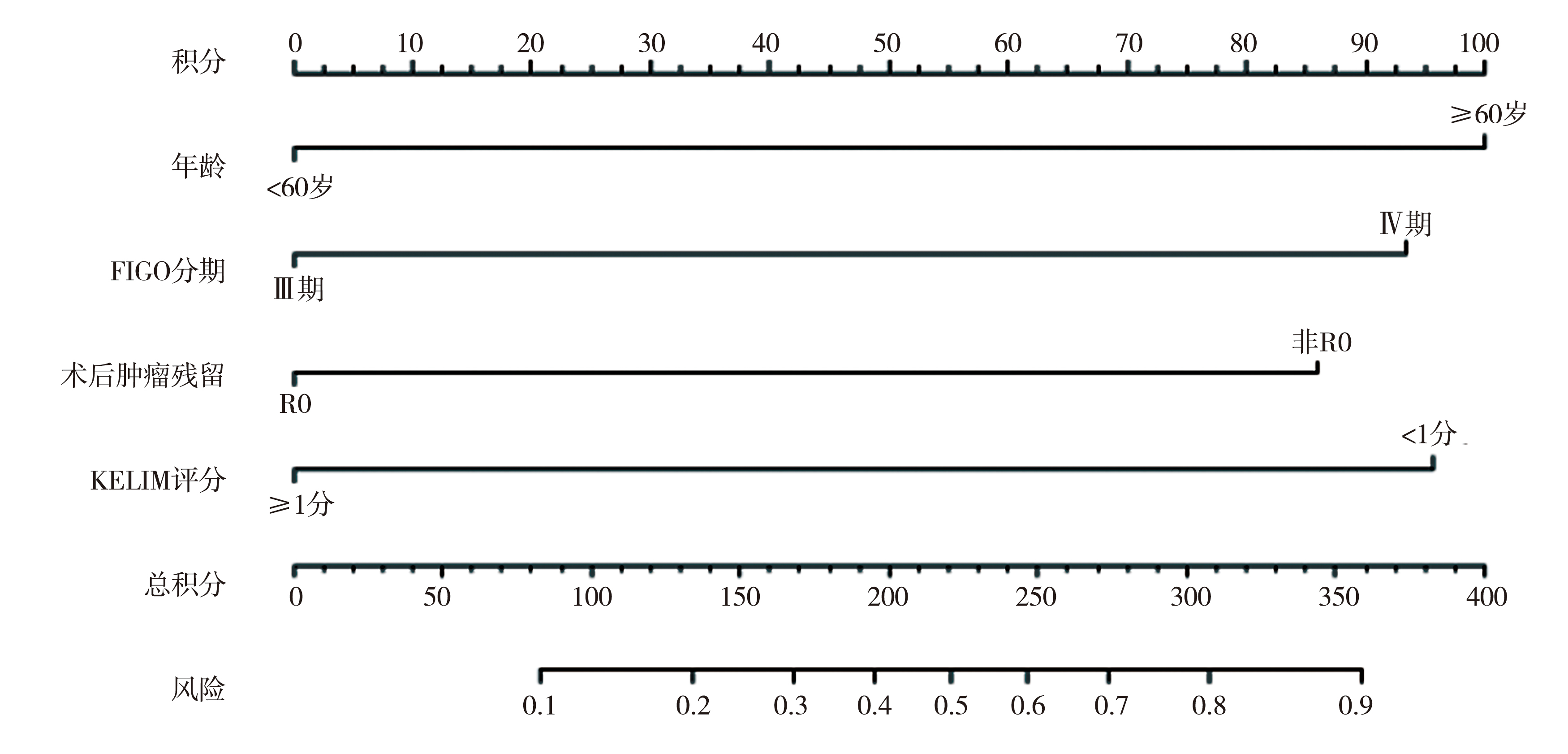
"
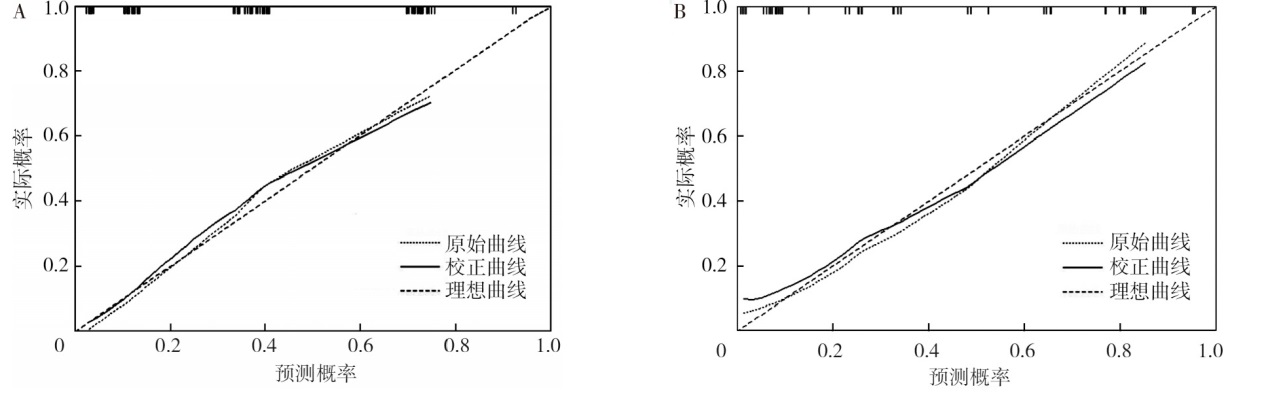
"
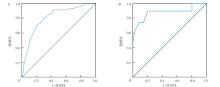
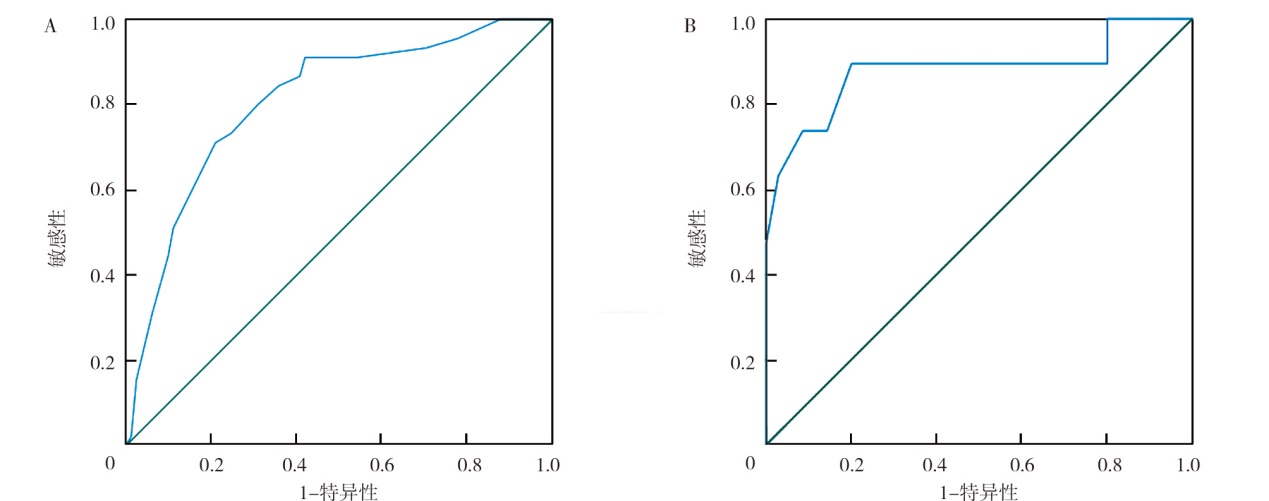
"
| [1] | 邱可欣, 李梦真, 国浩然, 等. 老年晚期卵巢癌患者不同手术方式的预后分析[J]. 国际肿瘤学杂志, 2025, 52(9): 576-582. DOI: 10.3760/cma.j.cn371439-20250225-00097. |
| [2] |
Crispin-Ortuzar M, Woitek R, Reinius MAV, et al. Integrated radio-genomics models predict response to neoadjuvant chemotherapy in high grade serous ovarian cancer[J]. Nat Commun, 2023, 14(1): 6756. DOI: 10.1038/s41467-023-41820-7.
pmid: 37875466 |
| [3] |
Kus F, Guven DC, Yildirim HC, et al. KELIM score predicts outcome in patients with platinum-resistant/refractory recurrent ovarian cancer[J]. Biomark Med, 2023, 17(7): 379-389. DOI: 10.2217/bmm-2022-0923.
pmid: 37309756 |
| [4] | Zouzoulas D, Tsolakidis D, Tzitzis P, et al. CA-125 KELIM as an alternative predictive tool to identify which patients can benefit from PARPi in high-grade serous advanced ovarian cancer: a retrospective pilot diagnostic accuracy study[J]. Int J Mol Sci, 2024, 25(10): 5230. DOI: 10.3390/ijms25105230. |
| [5] | 江珊, 朱靖, 王莹莹, 等. KELIM及BRCA突变状态在预测晚期高级别浆液性卵巢癌预后中的价值[J]. 现代妇产科进展, 2025, 34(3): 185-190, 195. DOI: 10.13283/j.cnki.xdfckjz.2025.03.031. |
| [6] | 中国抗癌协会妇科肿瘤专业委员会. 卵巢恶性肿瘤诊断与治疗指南(2021年版)[J]. 中国癌症杂志, 2021, 31(6): 490-500. DOI: 10.19401/j.cnki.1007-3639.2021.06.07. |
| [7] |
Prat J, FIGO Committee on Gynecologic Oncology. Staging classification for cancer of the ovary, fallopian tube, and peritoneum[J]. Int J Gynaecol Obstet, 2014, 124(1): 1-5. DOI: 10.1016/j.ijgo.2013.10.001.
pmid: 24219974 |
| [8] | Freites-Martinez A, Santana N, Arias-Santiago S, et al. Using the Common Terminology Criteria for Adverse Events (CTCAE-Version 5.0) to evaluate the severity of adverse events of anticancer therapies[J]. Actas Dermosifiliogr (Engl Ed), 2021, 112(1): 90-92. DOI: 10.1016/j.ad.2019.05.009. |
| [9] |
Bhattacharya R, Ghosh A, Mukhopadhyay S. High-grade serous ovarian carcinoma, the "Achiles' hill" for clinicians and molecular biologists: a molecular insight[J]. Mol Biol Rep, 2023, 50(11): 9511-9519. DOI: 10.1007/s11033-023-08760-3.
pmid: 37737967 |
| [10] | Cheng Z, Ennis DP, Lu B, et al. The genomic trajectory of ovarian high-grade serous carcinoma can be observed in STIC lesions[J]. J Pathol, 2024, 264(1): 42-54. DOI: 10.1002/path.6322. |
| [11] |
Bello Roufai D, El Hajj H, Tran PL, et al. Results of a national French survey on use of KELIM model for management of patients with advanced stage epithelial ovarian cancer (SFOG Campus)[J]. Bull Cancer, 2025, 112(10): 1095-1102. DOI: 10.1016/j.bulcan.2025.04.007.
pmid: 40651899 |
| [12] | Zouzoulas D, Tsolakidis D, Tzitzis P, et al. The use of CA-125 KELIM to identify which patients can achieve complete cytoreduction after neoadjuvant chemotherapy in high-grade serous advanced ovarian cancer[J]. Cancers (Basel), 2024, 16(7): 1266. DOI: 10.3390/cancers16071266. |
| [13] | Theodoulidis V, Kissoudi K, Chatzistamatiou K, et al. Neutrophil-lymphocyte ratio and KELIM score as prognostic markers in high-grade serous advanced ovarian cancer patients treated with neo-adjuvant chemotherapy[J]. Biomedicines, 2025, 13(4): 975. DOI: 10.3390/biomedicines13040975. |
| [14] | Becker O, Durand A, Chevrier M, et al. Tumor-intrinsic chemo-sensitivity assessed by KELIM and prognosis by BRCA status in patients with advanced ovarian carcinomas[J]. Int J Gynecol Cancer, 2025, 35(5): 101866. DOI: 10.1136/ijgc-2024-005815. |
| [15] |
Li C, Cui QL, Wang XH, et al. CA-125 elimination rate constant K (KELIM) as a promising predictor of complete cytoreduction after neoadjuvant chemotherapy in advanced ovarian cancer patients: a retrospective study from two Chinese hospitals[J]. BMC Cancer, 2024, 24(1): 609. DOI: 10.1186/s12885-024-12252-3.
pmid: 38769484 |
| [16] |
Bouvarel B, Colomban O, Frenel JS, et al. Clinical impact of CA-125 elimination rate constant K (KELIM) on surgical strategy in advanced serous ovarian cancer patients[J]. Int J Gynecol Cancer, 2024, 34(4): 574-580. DOI: 10.1136/ijgc-2023-004872.
pmid: 38242546 |
| [17] |
van Wagensveld L, Colomban O, van der Aa MA, et al. Confirmation of the utility of the CA-125 elimination rate (KELIM) as an indicator of the chemosensitivity in advanced-stage ovarian cancer in a "real-life setting"[J]. J Gynecol Oncol, 2024, 35(3): e34. DOI: 10.3802/jgo.2024.35.e34.
pmid: 38216134 |
| [18] | 刘浚源, 刘原, 张祎, 等. 糖类抗原125动力学变化在卵巢癌初次肿瘤细胞减灭术患者预后评估中的应用研究[J]. 中国实用妇科与产科杂志, 2023, 39(5): 547-551. DOI: 10.19538/j.fk2023050114. |
| [19] | 胡晓頔, 刘婷婷, 王彤, 等. 真实世界中晚期卵巢癌CA125-KELIM评分的预后价值探讨[J]. 临床和实验医学杂志, 2025, 24(9): 949-954. DOI: 10.3969/j.issn.1671-4695.2025.09.014. |
| [20] |
Herzog TJ, Ison G, Alvarez RD, et al. FDA ovarian cancer clinical trial endpoints workshop: a Society of Gynecologic Oncology White Paper[J]. Gynecol Oncol, 2017, 147(1): 3-10. DOI: 10.1016/j.ygyno.2017.08.012.
pmid: 28844539 |
| [21] | Roberts LF, Lambert P, Nachtigal MW, et al. Ovarian cancer in the older Manitoban population—treatment tolerance and cancer-related outcomes: a Manitoba Ovarian Cancer Outcomes (MOCO) Group study[J]. Curr Onco, 2024, 31(3): 1348-1358. DOI: 10.3390/curroncol31030102. |
| [22] |
Chase DM, Mahajan A, Scott DA, et al. The impact of varying levels of residual disease following cytoreductive surgery on survival outcomes in patients with ovarian cancer: a meta-analysis[J]. BMC Womens Health, 2024, 24(1): 179. DOI: 10.1186/s12905-024-02977-5.
pmid: 38491366 |
| [23] | Trewin-Nybråten CB, Leithe S, Paulsen T, et al. Ovarian cancer survival by residual disease following cytoreductive surgery: a nationwide study in Norway[J]. Br J Cancer, 2025, 132(12): 1158-1166. DOI: 10.1038/s41416-025-03018-0. |
| [1] | Sun Xiaoning, He Pan, Wang Xian, Yao Shujuan. Immunoregulation mechanism and clinical significance of cancer-associated fibroblasts in ovarian cancer [J]. Journal of International Oncology, 2026, 53(6): 376-380. |
| [2] | Cui Feifei, Huang Wenting. Research progress and clinical significance of MET gene and its expression in ovarian cancer [J]. Journal of International Oncology, 2026, 53(2): 115-119. |
| [3] | Jiang Ye, Ji Shuang, Lao Jiahui, Yan Li, Liu Yamin, Tang Fang. Impact of different chemotherapy regimens on the occurrence of grade ≥ 3 neutropenia in middle-aged and elderly patients with ovarian cancer [J]. Journal of International Oncology, 2026, 53(10): 608-614. |
| [4] | Qiu Kexin, Li Mengzhen, Guo Haoran, Fan Mengsi, Yan Li. Prognostic analysis of different surgical approaches in elderly patients with advanced ovarian cancer [J]. Journal of International Oncology, 2025, 52(9): 576-582. |
| [5] | Zeng Qianqian, Xiang Hong, Fu Lijun. Role of chemokine CX3CL1/CX3CR1 in intraperitoneal metastasis of ovarian cancer in nude mice [J]. Journal of International Oncology, 2025, 52(5): 282-287. |
| [6] | Gong Yan, Chen Honglei. Research progress on the mechanism of microRNA regulation of cisplatin resistance in ovarian cancer [J]. Journal of International Oncology, 2024, 51(3): 186-190. |
| [7] | An Rong, Liu Meihua, Wang Peichen, Wang Xiaohui. Research progress of Nrf2 in ovarian cancer [J]. Journal of International Oncology, 2023, 50(8): 493-497. |
| [8] | Li Chenxi, Zhao Hongwei. Prognosis and influencing factors of platinum sensitive recurrent ovarian cancer treated by secondary cytoreduction surgery in patients with unsatisfactory primary cytoreduction surgery [J]. Journal of International Oncology, 2023, 50(6): 342-347. |
| [9] | Yang Lirong, Wang Yufeng. Construction of machine learning models for predicting the risk of postoperative distant metastasis recurrence in serous ovarian cancer [J]. Journal of International Oncology, 2023, 50(4): 220-226. |
| [10] | Xie Yu, Zheng Shengnan, Huang Mingmin, Guo Aibin, Yin Zhenyu, Lin Yongjuan. Pemetrexed clinical trial for intrathecal injection chemotherapy based on cerebrospinal fluid pharmacokinetics in patients with leptomeningeal metastasis from lung adenocarcinoma [J]. Journal of International Oncology, 2023, 50(10): 585-591. |
| [11] | Li Chenxi, Zhao Hongwei. Advances in the treatment of platinum-resistant ovarian cancer with PARP inhibitors [J]. Journal of International Oncology, 2021, 48(3): 180-183. |
| [12] | Li Zhefeng, Li Jie, Zhao Xiaoting, Yue Wentao. GLDC regulates proliferation and apoptosis of ovarian cancer cells through PI3K/Akt/mTOR pathway [J]. Journal of International Oncology, 2021, 48(12): 716-722. |
| [13] | Zheng Jing, Yao Sheng, Shen Wenjie, Sun Zhijia, Zhao Hui, Fu Yan, Gao Ke, Du Nan. Clinical study of intraperitoneal infusion of bevacizumab combined with albumin paclitaxel and carboplatin in carcinomatous peritoneal adhesion from ovarian cancer [J]. Journal of International Oncology, 2021, 48(11): 660-665. |
| [14] | Yang Lifen, Song Wei, Xu Dawei, Wu Jun, Gao Ran. Mechanisms of miR-103a-3p/CHI3L1 in proliferation and vascular mimicry of ovarian cancer cells [J]. Journal of International Oncology, 2020, 47(6): 333-339. |
| [15] | Xue Chen, Zhao Yue, Shi Guang, Tang Yan. Research progress of PD-1/PD-L1 inhibitors in ovarian cancer [J]. Journal of International Oncology, 2020, 47(5): 312-315. |
| Viewed | ||||||
|
Full text |
|
|||||
|
Abstract |
|
|||||